
Sub-Total: $0.00
Reusable Breaching Training Systems vs. Disposable Props: A Buyer’s Guide for Teams That Train Often
Breaching training gets expensive in all the places most buyers miss.
The first invoice never tells the full story. What crushes a budget is the rebuild time, instructor labor, wasted consumables, inconsistent reps, and the fact that a “cheap” prop often slows the whole day down. For teams that train often, disposable setups can turn into a recurring drag on readiness.
BLUF: If your agency runs breaching more than occasionally, a reusable breaching training system usually makes more sense than disposable props because it protects instructor time, increases useful repetitions, and supports more consistent, defensible training conditions.
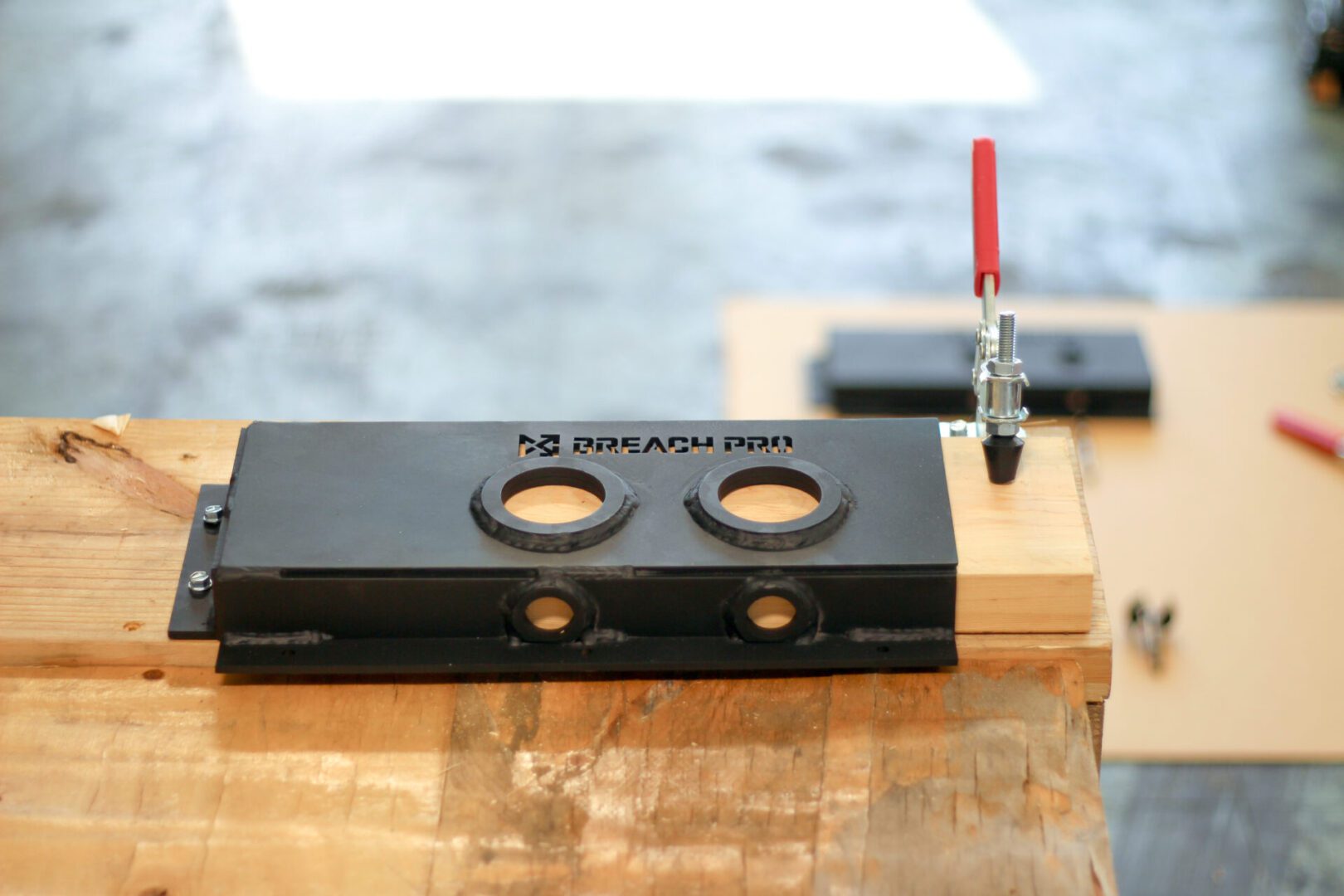
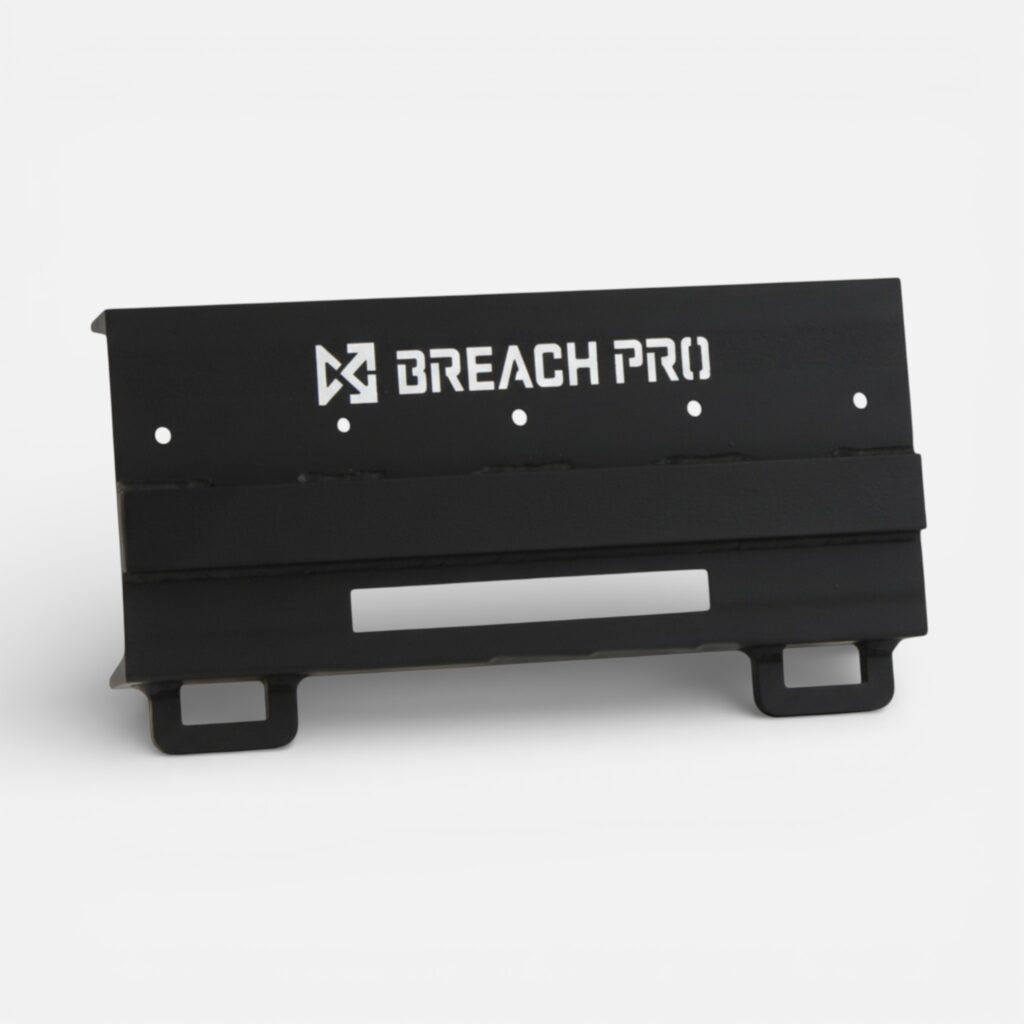
Breach Pro positions this problem clearly. The company builds professional-grade breaching tools and training systems in the United States and states that its designs are shaped by direct collaboration with law enforcement, military breachers, rescue technicians, and trainers.[1] Its Modular Breaching Insert System is built to convert standard residential, commercial, and shoot house doors into realistic breaching doors while preserving correct door mass and hardware behavior.[2]
This article is a procurement and training-management guide for qualified agencies. It is not a breaching how-to.
Why Disposable Props Look Cheap Until You Run the Numbers
A disposable prop can make sense for a one-off demo, a short course, or a low-volume training block. The problem shows up when a team tries to build a repeatable program instead of a single event.
That is when the hidden costs start stacking up:
- Rebuild time between reps
- More instructor labor spent fixing the prop instead of coaching
- Inconsistent resistance from one evolution to the next
- Higher material waste
- Slower throughput across a full training day
- More clutter in storage and transport
The real question is not, “What does the prop cost today?” It is, “What does each useful repetition cost over time?”
That is where reusable breaching training systems separate themselves. A system that resets fast and behaves consistently can give instructors more clean reps, better coaching opportunities, and better documentation after the day is over.
What a Reusable Breaching Training System Should Actually Deliver
A serious training system needs to do more than survive abuse. It needs to make training better.
1. Realistic feedback
Realism does not mean theatrics. It means the system gives instructors and students feedback that makes sense for the training objective.
Breach Pro says the MBI-S uses real locksets and correct door mass to create true-to-life latch shear, bolt pull-through, and door skin deformation, while avoiding the overbuilt behavior common with many steel breaching doors.[2] That matters because teams should train against targets that behave like real doors, not exaggerated steel fixtures that distort expectations.
2. Repeatability
If the prop behaves differently every rep because it is rebuilt differently every rep, the training starts drifting.
Repeatability gives instructors a cleaner way to evaluate student communication, tool selection, staging, safety discipline, and role clarity. When the training variable stays controlled, the after-action review gets sharper.
3. Fast reset times
Breach Pro says the MBI-S can typically be reset in about 5 to 10 seconds between repetitions.[2] For units that measure training value by usable reps per hour, that is not a minor feature. That is throughput.
A slow prop bleeds time. A fast-reset system buys back training minutes that would otherwise disappear into rebuild work.
4. Dual-use flexibility
One of the smartest details in the MBI-S design is that doors can remain fully functional and lockable when they are not configured for breaching.[2] That matters for shoot houses and shared training spaces where the same structure has to support multiple mission profiles without turning the site into a permanent maintenance problem.
Lifecycle Cost Is the Metric That Matters
Procurement teams get burned when they compare only sticker price.
A better comparison looks like this:
- Upfront purchase cost
- Consumables over time
- Replacement parts
- Storage and transport burden
- Instructor labor
- Reset time
- Number of meaningful repetitions per day
- Service life of the system
That is total cost of ownership. And in training, that number usually matters more than the first quote.
Breach Pro’s larger catalog supports that program-level view. The company sells training systems alongside battering rams, pry tools, hammers, bolt cutters, and other mechanical breaching tools rather than treating training infrastructure as a disconnected side item.[3] For agencies trying to standardize equipment and training logic, that ecosystem matters.
Building a program instead of a one-day event? Explore the Modular Breaching Insert and see how a reusable door system can support more reps with less rebuild time.
Why Instructor Time Is the Hidden Budget Line
Most teams underestimate the value of instructor bandwidth.
If instructors spend half the day rebuilding, improvising repairs, or compensating for prop inconsistency, they are not watching students closely enough. They are not coaching as hard as they should. They are not tracking patterns, correcting problems, or tightening the safety envelope.
That friction kills training quality.
A reusable system fixes part of that by reducing the amount of workaround the cadre has to do. Instead of babysitting the prop, instructors can spend more time on:
- Pre-briefs
- Safety checks
- Communication standards
- Team sequencing
- Documentation
- After-action review
That is a procurement benefit. It just does not show up neatly on a purchase order.
Safety and Ergonomics Are Procurement Issues, Too
Any agency evaluating breaching training infrastructure should look at safety and ergonomics early, not after purchase.
OSHA states that hand and power tools can cause severe injuries when used or maintained improperly, and that attention to tool safety is necessary to reduce or eliminate those hazards.[4] Even though tactical breaching operates in a specialized law-enforcement and rescue context, the basic logic still holds. Equipment condition, instructor oversight, inspection discipline, and controlled use all matter.
Ergonomics matters too. A training system that forces awkward reset posture, inconsistent tool engagement, or unnecessary lift-and-drag work adds fatigue and creates risk. Buyers should ask simple questions:
- What parts wear first?
- What components are user-replaceable?
- How is the system inspected before use?
- What does reset require physically?
- Can one instructor manage it, or does it require extra manpower?
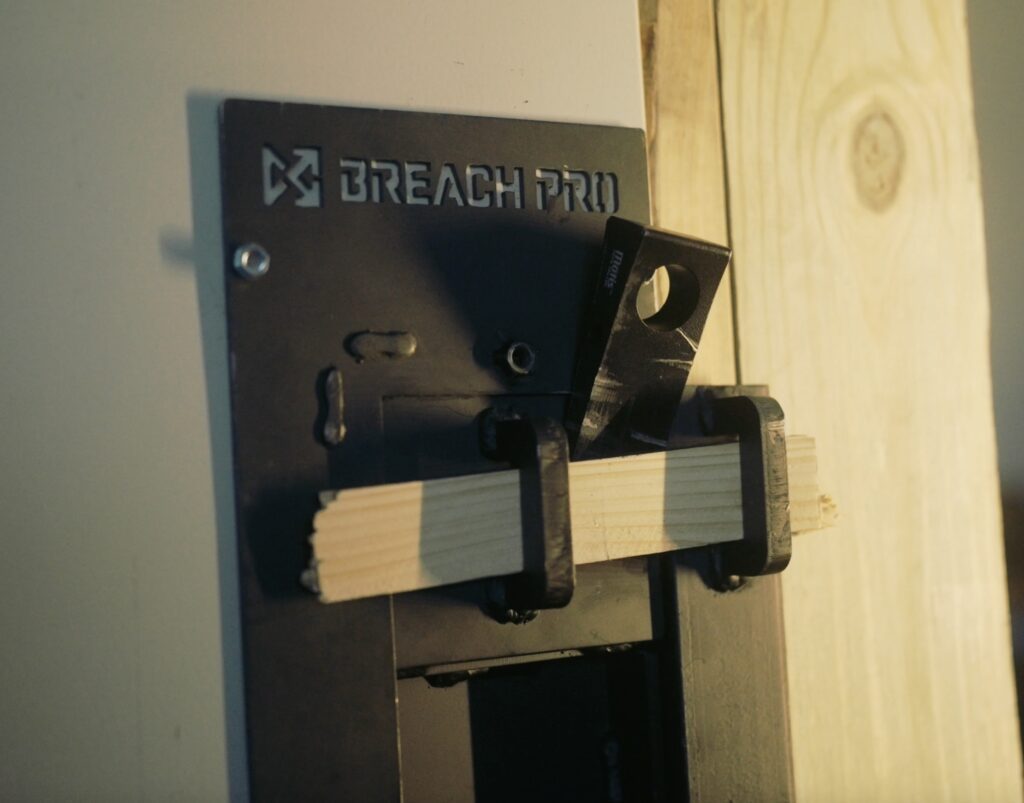
Breach Pro says wear components such as the Door Panel Insert Receiver and Frame Anchor are user-replaceable and that the core system can be transported in a medium-sized Pelican case.[2] That speaks directly to maintenance planning and logistics, not just performance claims.
Reusable Systems vs. Disposable Props: The Practical Comparison
Here is the plain-English version.
Disposable props make sense when:
- training is infrequent
- the goal is demonstration, not sustained program delivery
- rebuild labor is acceptable
- consistency between reps is not critical
- the agency is testing a concept before committing budget
Reusable systems make sense when:
- training is recurring
- instructors need repeatable conditions
- leadership wants better throughput per day
- the team needs cleaner documentation and after-action review
- the facility supports ongoing use
- the agency wants lower cost per meaningful rep over time
That is why the right choice depends less on hype and more on tempo. If your team trains once in a while, disposable may be fine. If your team trains often, disposable starts acting like a tax.
How Realism Should Be Evaluated
A lot of buyers chase “realism” the wrong way.
The most useful training is not the most dramatic training. It is the training that gives qualified instructors a controlled environment where they can expose students to relevant decision points without turning the day into chaos.
Breach Pro’s own language leans into realistic door behavior, not fake toughness.[2] That is the right frame. A training door should not be harder to defeat than the doors teams are likely to encounter. It should produce field-relevant feedback that instructors can use to build consistency, confidence, and professional discipline.
That is a better buying standard than any flashy demo clip.
What Procurement Teams Should Ask Before Buying
Before an agency commits money to a reusable breaching training system, it should answer a few hard questions:
- What training objective are we trying to support?
- How often will the asset actually be used?
- Which methods are authorized under agency policy?
- How long does reset take in real conditions?
- What consumables are required per cycle?
- Who owns inspection and maintenance?
- Where will the system be stored, transported, and configured?
- Will the system support shared use across teams or partner agencies?
- Does it help instructors standardize training and documentation?
10. Does the product line support the tools we already run or intend to procure?
Breach Pro’s operator-driven development model and direct manufacturing oversight make those questions easier to ask in a serious procurement conversation because the company positions itself around performance, traceability, and real operational feedback rather than generic tactical branding.[1]
Need more than a single product page? Shop Breach Pro’s full product line to compare training systems, mechanical tools, bolt cutters, pry tools, and breaching kits in one place.
Grant Writing and Program Justification
A reusable training system is easier to justify when the agency writes the request around outcomes instead of equipment buzzwords.
A solid narrative explains:
- why repeatable breaching reps matter for a qualified team
- how reset efficiency improves training throughput
- how a reusable system reduces rebuild waste
- how more consistent repetitions support coaching and documentation
- how the asset can serve multiple instructors, teams, or partner agencies
The National Tactical Officers Association says its Tactical Response and Operations Standard was built to improve standardization and professionalism within tactical law enforcement services.[5] That is the bigger point. A training purchase should reinforce standards, not sit outside them.
The right equipment does not solve every readiness problem. But it can give a qualified cadre a better platform to run disciplined training.
The Instructor’s View: Fewer Workarounds, Better Coaching
Talk to the people who actually run the day and you will hear the same complaint over and over. Bad props waste attention.
When the prop is inconsistent, fragile, or slow to reset, instructors stop coaching and start troubleshooting. That is a bad trade.
A reusable system is valuable because it cuts down the nonsense. It lets the cadre spend more energy on the things that matter:
- student observation
- communication standards
- staging discipline
- safety management
- performance notes
- corrective feedback
That is how a tool becomes training infrastructure. It stops being a one-time object and starts supporting a repeatable program.
Final Takeaway
This is not really a debate between reusable breaching training systems and disposable props. It is a debate between building a sustainable program and settling for occasional demonstrations.
If your team trains often, wants better throughput, and needs consistent conditions for coaching and documentation, a reusable system usually gives you better value over time. Not because it looks more impressive, but because it keeps the training day moving.
Breach Pro’s positioning fits that reality. The company builds USA-made breaching tools and training systems around operator input, direct manufacturing oversight, and realistic performance under stress.[1] Its MBI-S is built for agencies that want a door system that resets quickly, preserves realistic behavior, and works inside dual-use training environments.[2]
Ready to build a more repeatable breaching program? Contact Breach Pro to discuss your facility, training tempo, and equipment needs.
References
[1] Breach Pro, “About Us,” Breach Pro. https://breach-pro.com/about-us/
[2] Breach Pro, “Modular Breaching Insert,” Breach Pro. https://breach-pro.com/product/modular-breaching-door-training-system/
[3] Breach Pro, “Tactical Breaching Tools,” Breach Pro. https://breach-pro.com/
[4] Occupational Safety and Health Administration, “Hand and Power Tools – Overview,” OSHA. https://www.osha.gov/hand-power-tools
[5] National Tactical Officers Association, “Tactical Response and Operations Standard,” NTOA. https://www.ntoa.org/tros/